
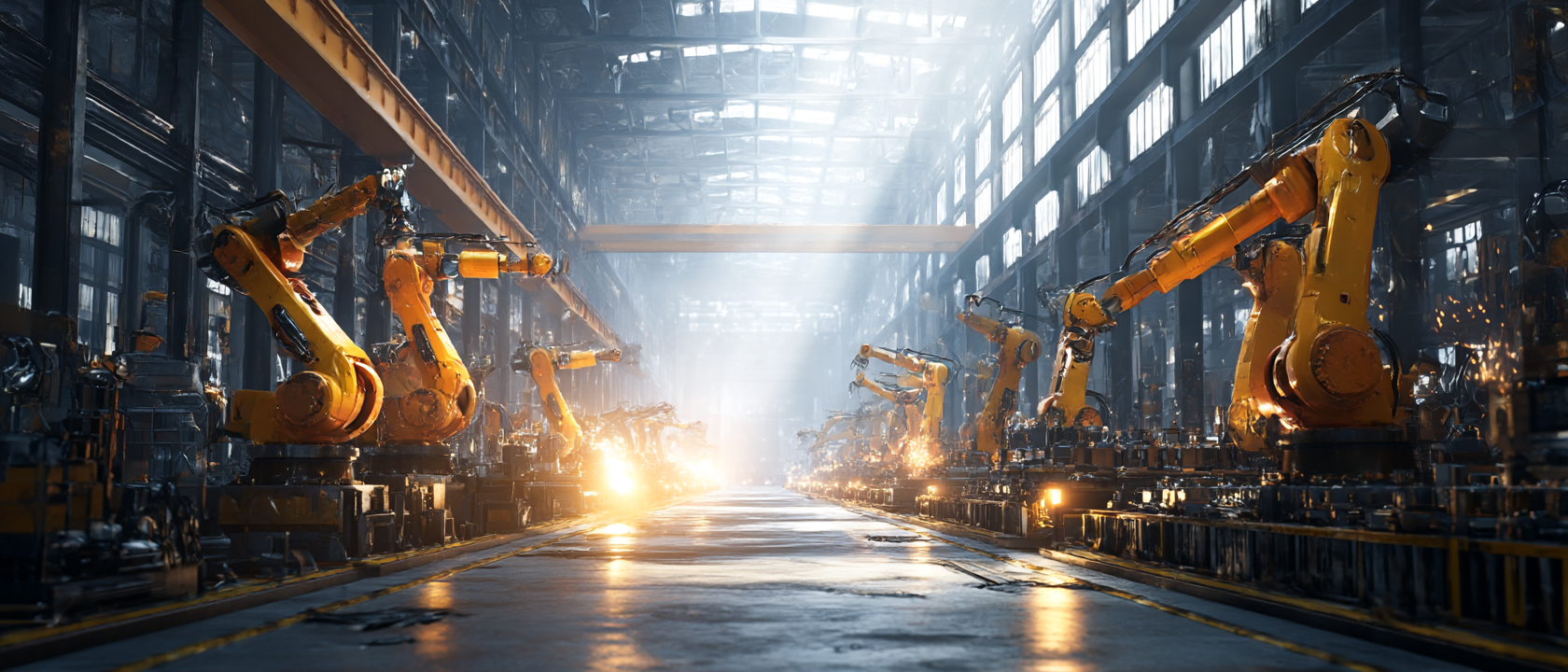
Pressure to decarbonize, digitize, and robotize at a time of demographic change, geopolitical uncertainty, and difficult financing conditions is weighing on the German economy. Bureaucratic and infrastructural hurdles are particularly burdensome for the manufacturing industry, which (still) plays a major role in the German economy and contributes significantly to employment and value creation. This structural change has led to a downward revision of production potential in recent years and will lead to a slowdown in the potential growth rate in the coming years. In addition, increases in US import tariffs are weighing on the German export economy. This has significantly reduced the scope for recovery. This was stated by the ifo Institute for Economic Research in its economic forecast published today.
According to the ifo, the economic policy decisions taken are likely to give the German economy only a short-term economic boost, but will not provide any impetus for higher production potential or an acceleration in potential growth. The ifo also believes that both structural change and the burden of US import tariffs will continue during the forecast period. Due to the US tariffs, the ifo even expects pull-forward effects in 2025, which will cause export volumes to shrink accordingly in 2026. Competition with China on European markets will intensify further as a result of US import tariffs. Accordingly, the ifo’s forecast for price-adjusted German gross domestic product is weak, having been significantly lowered compared to the ifo’s autumn report.
However, the structural change that has been taking place for several years now can also be seen as an opportunity. Resilient companies have the necessary adaptability. They use their innovative strength, adjust their strategic orientation, and adapt their business models. Concrete opportunities lie both in a clear focus on processes and products that promote decarbonization and in the systematic use of artificial intelligence and robotics to increase efficiency and global competitiveness. However, strong customer relationships, active sales to generate relevant leads, and excellent service should not be neglected. The global economic outlook is more positive than in Germany. This offers opportunities. Many German companies have good products, but they lack international distribution channels, which can be developed. Companies that initiate corresponding projects with high business impact can convert these opportunities into competitive advantages.
Perhaps the end of the year, the time for “ambitious objectives”, is a suitable moment to initiate such a transformation with high business impact.